
Slab Leak Near Me: How to Find, Fix, and Repair a Slab Leak

The Plumbinator • May 5, 2026

Share this article

Slab Leak Near Me: How to Find, Fix, and Repair a Slab Leak

Oh no! You just went to grab a soda from the fridge and splashed through a huge puddle on the way. Why is your home turning into a swimming pool?? It might be a slab leak.

Slab leaks can wreak havoc on your home and your wallet! Not only will your house be underwater, but you'll also be paying for this privilege through increased bills. The water pipes for your home run through the concrete foundation, and as they get old and corrode—or the house settles into its foundation—pipes may spring leaks or break. The older your home is, the more likely it is you’ll face a slab leak.


Many homeowners ask: “How to fix slab leak?” “How to find slab leak?” and “Can a slab leak be fixed?” Let’s break down the signs you should watch for and what slab leak repair really involves.

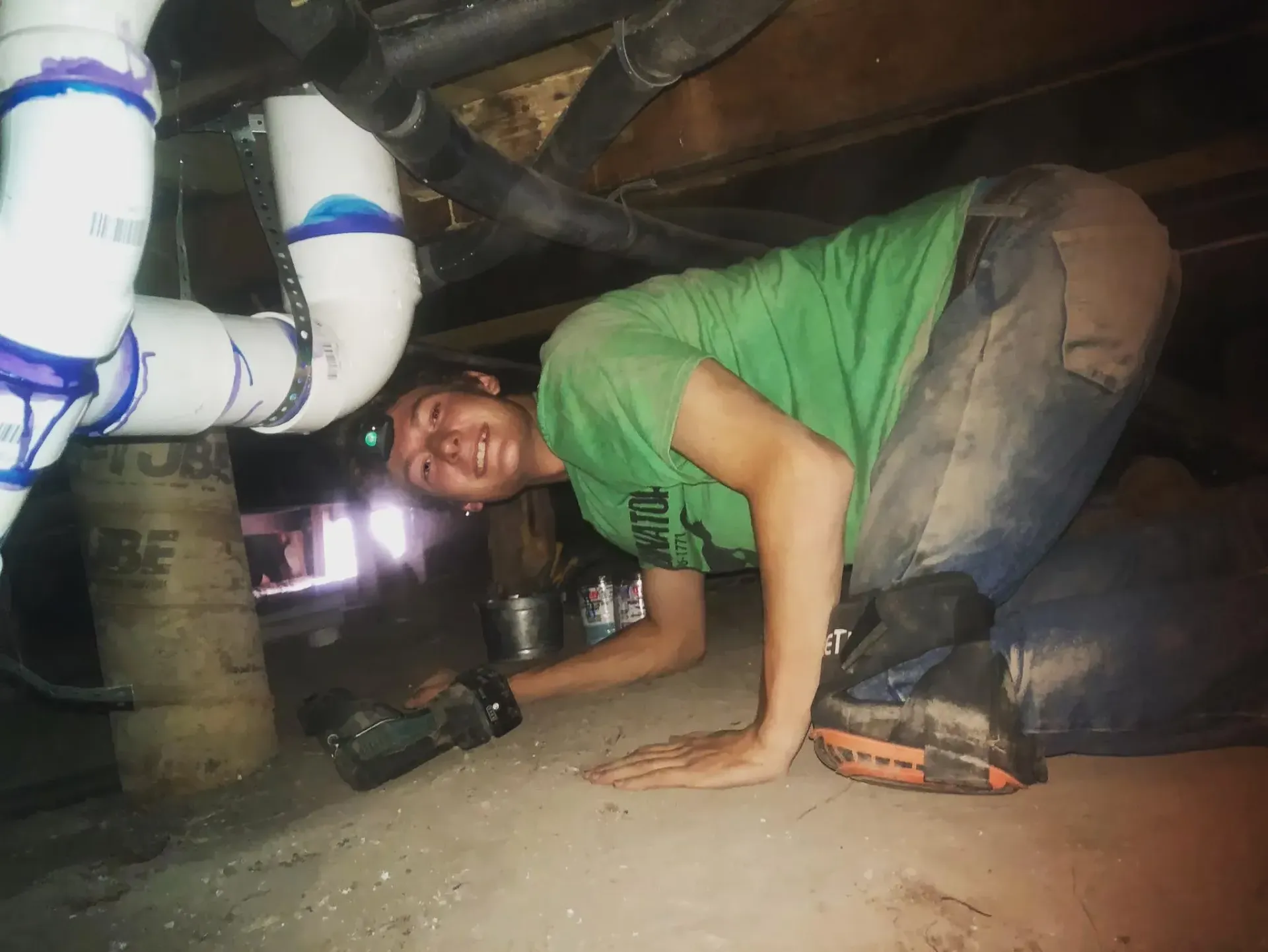
Our Master Plumber will find and fix any leak.

Six Signs you may have a slab leak

1) There's a Puddle on the Floor, Inside or Outside

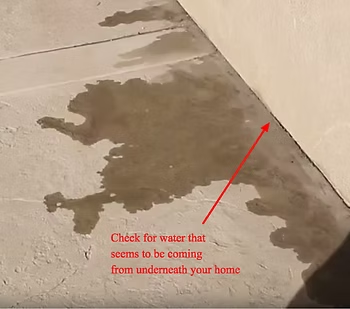
The most common sign of a slab leak is a puddle on the floor that grows larger over time as water bubbles up from underneath. You’ll often find the puddle near plumbing-heavy rooms like bathrooms, kitchens, or laundry areas.


What to do: Look around carefully to make sure the leak isn’t coming from an appliance. If you can’t find the source, call a plumber right away and mention you suspect a slab leak.

2) Sky High Water or Heating Bills

You open your water bill and your jaw drops. How could you have used so much water? If there is no obvious reason your bill is sky high, and the change is sudden, you might have a slab leak on your hands. 


A little-known sign of a leak is a high heating bill. Having a hot water leak in your slab is the same as leaving your hot water running around the clock, which means your hot water heater is also running 24/7, using a ton of electricity or gas.

Make sure to move boxes in closets and feel under them with your feet for wetness.

Look up at the ceilings too.

3) Warped Wood Floors or Damp Carpet

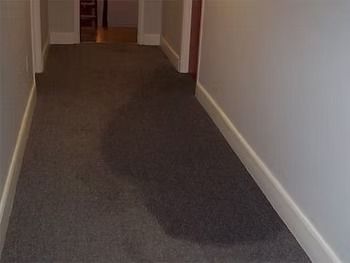
Water bubbling up from a slab leak accumulates and often comes up under your carpeting or wood floors. Keep an eye out for warped wood flooring or dark and/or damp areas on your carpet.

4) Your Hardwood or Tile Floor is Suddenly Hot

Did you recently install heated floors? No? Well then why are your floors suddenly so nice and toasty? If you read number two above, then you know why. You've got a hot-side slab leak that is running 24/7 and heating up your floors from below. Unfortunately, those nice warm floors are costing you a bundle to heat all that water! 

If you have carpeting, you probably won't detect the hot spot right away. If you have pets, you may notice them lying in a certain spot repeatedly on cool days, so check the floor there to see if its warmer than surrounding areas.

5) Low Water Pressure

With so much water flowing out of leaks or breaks in the pipes, that leaves less water to travel to your fixtures, resulting in sudden low water pressure. If you're not using water at the same time anywhere else in the house, like the washing machine or the shower, you could have a slab leak that's "stealing" your water pressure.

6) Bad or Musty Smells

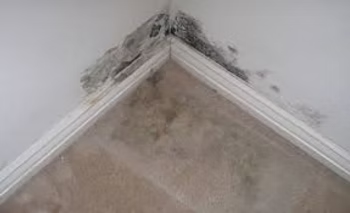
If water from a slab leak bubbles up under your carpet, mold and mildew growth will soon follow. If the leak wicks up into the drywall, you could also develop mold in your walls. While these types of mold growth are usually not visible, you will definitely start to smell them! So if areas of your house suddenly smell musty, check this list for other signs of a slab leak. Mold is not good for your health or the health of your house.

Always keep an eye out around your home for mold

  • What Is Slab Leak Repair?

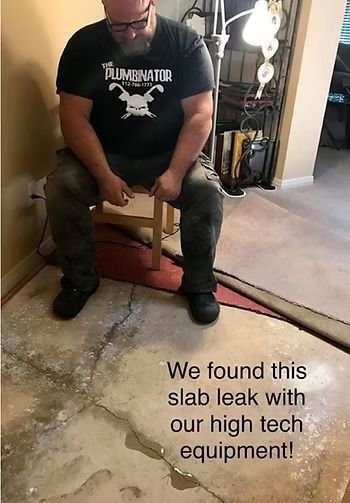
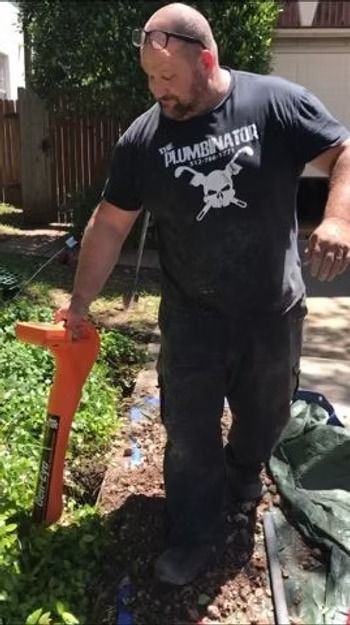
    Slab leak repair is the process of locating and fixing leaks in the water lines that run beneath your home’s concrete foundation. At The Plumbinator, we use specialized listening and sniffing equipment to pinpoint the exact source of the leak—so we don’t have to dig up your entire floor or yard.


    Depending on the severity, repair methods may include:


    • Spot repair: Jackhammering a small section of slab to repair or replace the damaged pipe.
    • Rerouting: Running new piping through walls or ceilings to bypass the damaged section.
    • Repiping: For older homes with failing systems, replacing all the lines may be more cost-effective.

    And yes—slab leaks can be fixed!

  • How to Fix a Slab Leak (The Right Way)

    While DIY tutorials exist online, slab leak repair is not a job for homeowners. It requires advanced tools and experience to avoid damaging your home further. If you’re searching “slab leak near me” because you think you have one, the best step is to call a licensed plumber immediately.

Don’t Wait—Call the Leak Specialists

If you think you have a slab leak or yard leak in Georgetown, Round Rock, Austin, Hutto, Cedar Park, or Pflugerville, call The Plumbinator at (512) 786-1771.

We will find your leak, wherever it hides

Recent Posts

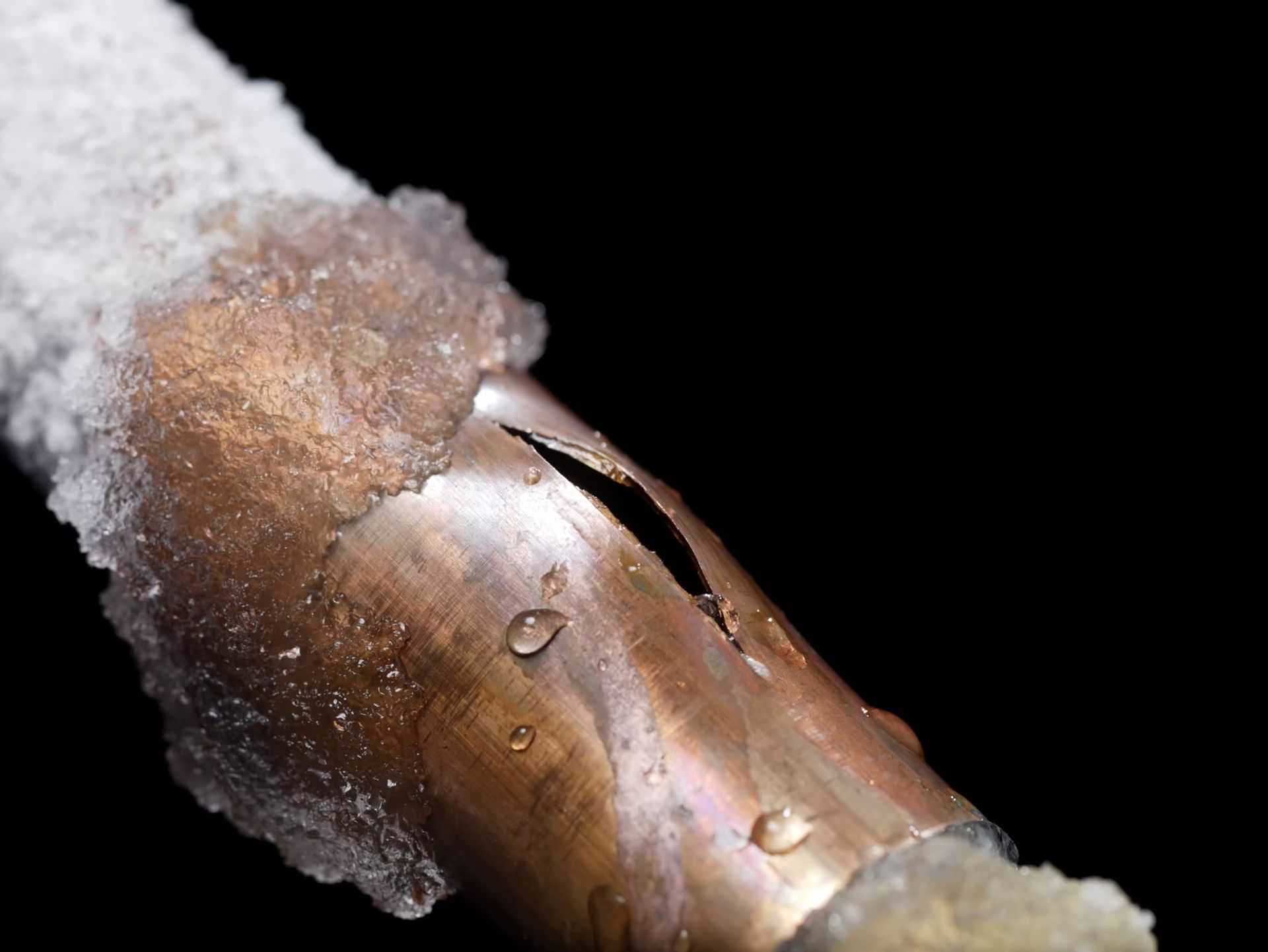
Close-up of a frosty copper pipe with water droplets against a black background
By The Plumbinator May 5, 2026
Learn how to prevent frozen pipes in Austin & Round Rock. Discover freeze temps, warning signs, and tips to avoid costly burst pipe damage.
Red graphic reading “Drain Dos and Don’ts: The Toilet Edition” beside a bathroom toilet.
By The Plumbinator May 5, 2026
Learn essential DIY plumbing tips for sinks, toilets, disposals, and water heaters. Avoid costly mistakes with these expert do’s and don’TS.
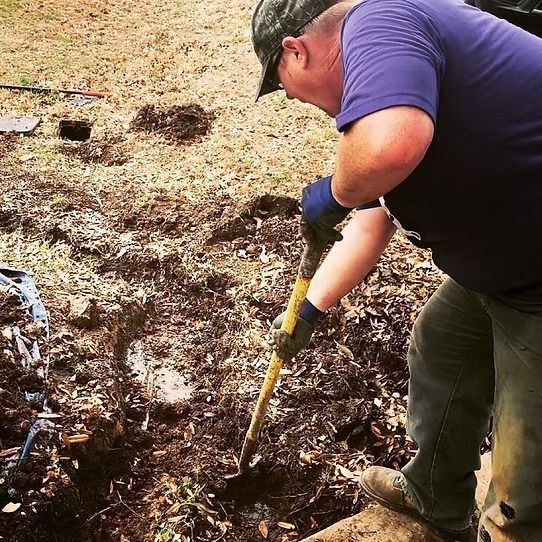
Man digging in a muddy field with a shovel, wearing a cap, purple shirt, and gloves
By The Plumbinator May 5, 2026
Wet yard with no rain? Learn 4 types of yard leaks in Austin, warning signs, and how to find & fix them fast before costly damage occurs.
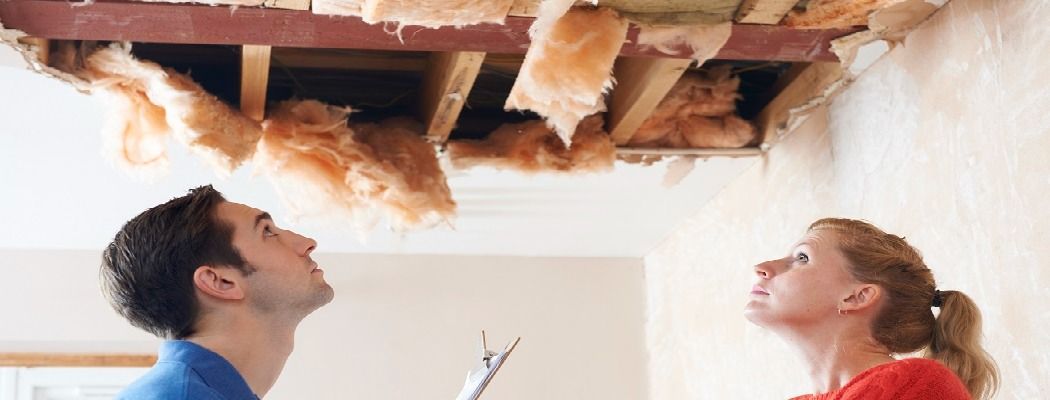
Two people looking up at exposed ceiling damage with insulation hanging down in a room
By The Plumbinator May 5, 2026
Have a mystery water leak in Austin? Learn the signs, what to do, and how pros find & fix leaks fast without tearing up your home.

Hand holding a blue wrench beside text: “DIY PROJECT OR LICENSED PLUMBER?”
By The Plumbinator May 5, 2026
Do you need a licensed plumber in Austin? Learn Texas laws, risks of unlicensed work, and when hiring a pro is required to protect your home.
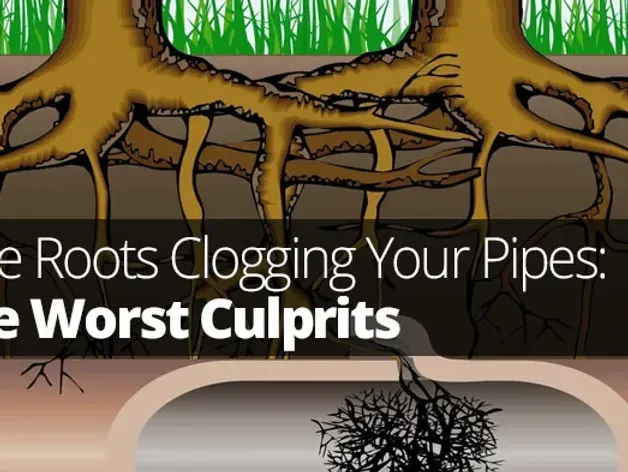
Illustration of tree roots clogging pipes with the text “The Worst Culprits”
By The Plumbinator May 5, 2026
Discover 7 Austin-area trees that damage sewer lines, warning signs of root intrusion, and how to protect your plumbing before costly repairs.
An image of expert technician repairing water heater
By The Plumbinator May 5, 2026
Tired of running out of hot water? Discover 5 signs you need a tankless water heater and enjoy endless, energy-efficient hot water at home.
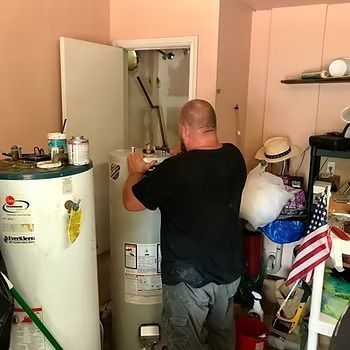
A man fixing water heater
By The Plumbinator May 4, 2026
No hot water? Learn when to replace your water heater and explore installation options in Round Rock before costly failures happen.
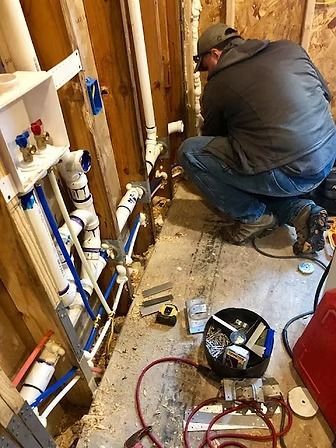
Plumber kneels beside exposed pipes and tools in a narrow utility room during repair work
By The Plumbinator October 11, 2024
Have Kitec pipes in your Austin home? Learn risks, repair options, and when replacement is needed before costly leaks occur.
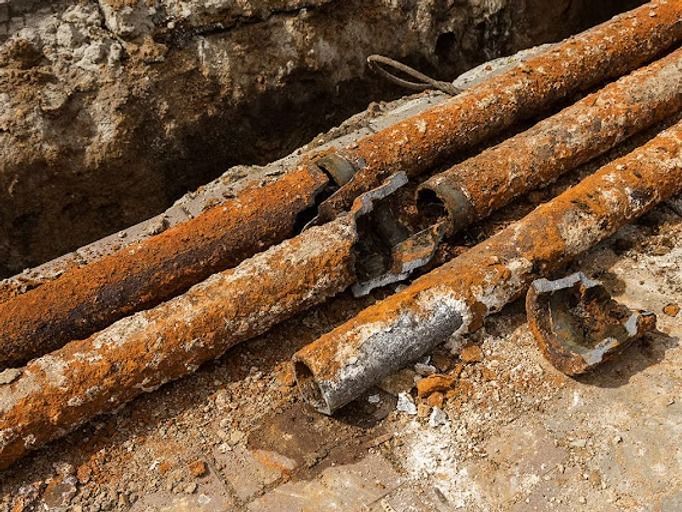
Rusty cast iron sewer pipe showing corrosion and deterioration
By The Plumbinator October 11, 2024
Own an older Austin home? Learn the risks of cast iron sewer pipes and when to replace them before costly damage occurs.